Inspiring through words: the journey of Jordan Nanos
1 avr. 2024
1 min de lecture
by Patrick Millette and Jordan Nanos
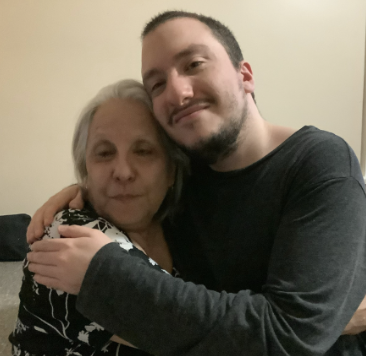
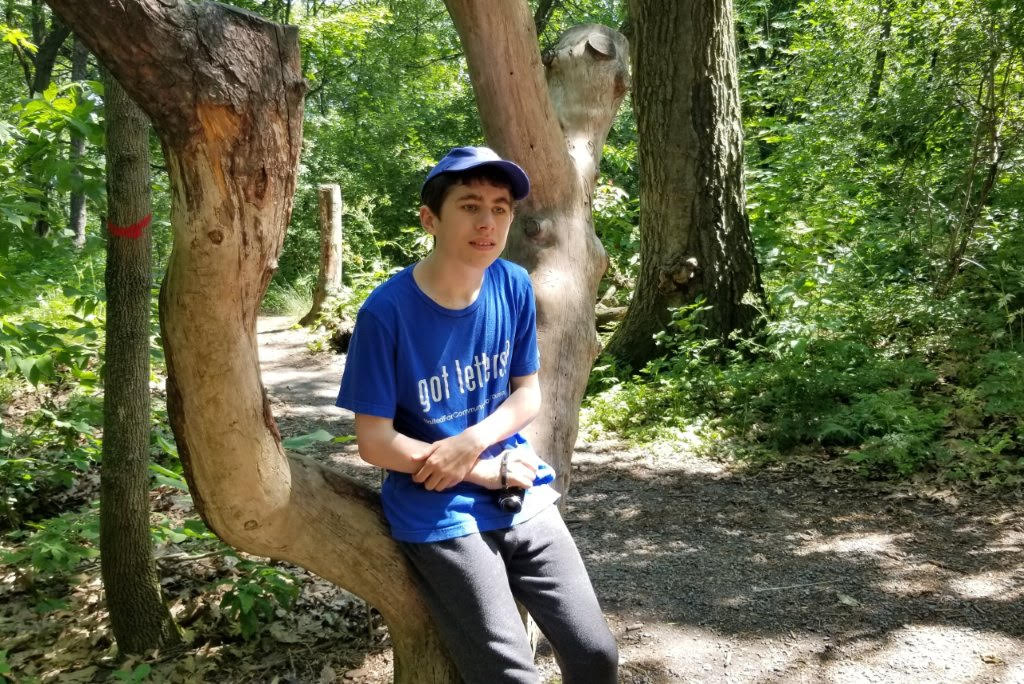
In a world where the power of words can uplift spirits and spark change, Jordan Nanos stands as a beacon of inspiration. A talented author diagnosed with 22q, Jordan’s story is not just about his diagnosis but also about his resilience, kindness, and unwavering determination to make a positive impact through his writing.
Discovering the Passion:
Jordan’s journey as a writer began when he was a teenager. « I started writing when I was seventeen years old and instantly fell in love with it,” he shares. Writing became a love affair that blossomed quickly, leading him to pen his inaugural book at eighteen. His motivation? “I wrote the book because I wanted to make a change and a difference in the world”. Jordan found happiness in his writing endeavours, which boosted his confidence. “When I write it always gives me a positive attitude because it gives me confidence. My writing makes me believe in myself”.
Navigating Challenges with Grace:
Jordan’s writing journey hasn’t been without its share of obstacles. Yet, with unwavering determination, he has navigated through them with grace and resilience. “I’ve learned that you need to not give up on your writing. I’ve learned that if you believe in yourself anything is possible”. Each challenge became an opportunity for growth, a chance to reaffirm his belief in himself and his craft.
Jordan strengthened his writing ability through practice and dedication. He found it helpful to discuss his ideas with people around him whenever he wrote. “I would practice at it and face it by having conversations with others. I would make sure what I say makes sense to the other person.”
Jordan believes that writing can boost confidence and spread kindness. He hopes to inspire others to pick up the craft. His advice for people who are interested in writing is to “take it one day at a time. Patience is a virtue when it comes to writing. You have to be committed to your writing”. Jordan is an inspiration to many people.
Spreading Kindness, One Word at a Time:
Through his books and writings, Jordan Nanos seeks to spread kindness. Throughout his writing, he encourages his readers to approach the world with compassion and understanding. “My writing can help others feel that they’re not alone. It can help others be more thoughtful and helpful towards each other. It can teach others to fight for what’s right when they’re feeling down. It can help to show others that being different is ok”.
His writing serves as a gentle reminder to others that they’re not alone in their struggles. It encourages empathy, prompts thoughtful gestures, and empowers individuals to stand tall and embrace their uniqueness. ”The message is never to give up. You can always be proud of who you are”. To Jordan Nanos, spreading kindness is vital, and he wants to encourage his readers to spread kindness throughout their lives. “Don’t be shy when you have something to say in a positive way.”
Jordan wants to inspire others to spread kindness. He does this throughout his books and finds creative ways to spread kindness during special occasions like the holiday season. When you spread kindness through the holiday season you’re showing others that you can do anything that you can put your mindset to. » Throughout the holiday season, Jordan goes out of his way to write Christmas cards for his friends and family. This is a perfect example of utilizing your talents to spread positivity and kindness. For him, spreading kindness during this magical time isn’t just about grand gestures; it’s about embracing the spirit of togetherness, hope, and possibility.
Beacon of Light:
In the tapestry of life, Jordan Nanos’s story stands as a vibrant thread, weaving together the essence of resilience, kindness, and the transformative power of words. Through his writing, he invites us to embark on a journey of self-discovery, empathy, and hope. As we navigate through the pages of his life, may we be inspired to embrace our own unique stories, to spread kindness wherever we go, and to believe in the extraordinary potential of the human spirit. Jordan Nanos isn’t just an author; he’s a beacon of light illuminating the path toward a brighter, kinder tomorrow.
There have been a lot of changes over the last decade of my life, but one constant. I have been a victim of stalking and cyber-harassment (which is just a very specific form of stalking) for the last ten years. It started in Texas with multiple instances of the same man approaching me in person and online. It continued when I moved to Québec, though it is exclusively online for now.
As an Autistic woman, this stalking has made my life extremely difficult from an organizational and emotions-management standpoint. For about a year, it also made it difficult to get my Vitamin D. Victimhood is not easy for anyone, but I want to explain how being a victim of stalking is even more complicated for an Autistic person. I will explain how these events have affected me personally, illustrate how it affects my relationships to others, and discuss how the solutions that are available in society are not adapted to the needs of Autistic people.
Need for routine
One of the first recommendations you will receive when being stalked is to abandon routine and habits. It makes sense. If you use the same path to walk to your car at the same time everyday, then it is easy for someone to learn your routine and insert themselves into it. Same with, say, having a favourite bookstore.
On the contrary, one of the more famous quirks of Autism is our reliance on routines. We aren’t like this just because we want to be difficult; we need predictability to function. Surprises require more on-the-fly thinking, which is a common challenge for Autistic people. I am no different.
I need my routine to keep track of my keys, remember to feed my dogs (and myself), and to wake up on time. Without routine, I struggle with the basic-life organization that more normative people call “adulting”. I could not live in an environment where evasion was a daily goal. In the end, it felt like I had the choice between retreating entirely or living with regular, dangerous interruptions due to stalking. I chose to retreat to another country. It gives me room to breathe, but it still negatively affects me –frequently.
Difficulty reading danger
Another difficulty that’s somewhat unique for Autistic stalking victims is that reading the danger of a situation is very context-specific and can be confusing. Behaviour that makes sense to an Autistic person can be very dangerous coming from other people. For example, when I was bullied as a child, I kept getting up and repeatedly put myself in situations where I could have been rejected. Over practice (and some help from puberty), I developed the social skills that garnered me a minor, but peaceful social existence. For me, I respect when people try again and again, but in this case, it is not healthy nor respectful. That said, it took me years to recognize that I was being stalked because, to me, he was just trying really hard.
Another example of this is a lot more harrowing now that I am aware of the connotations. One time, around one in the morning, he confronted me in my apartment complex’s laundromat. For me, I was overwhelmed by the hyper-social nature of Texas social norms, so the surprise that someone was hiding in the dark for me was no different than the stress I experience when someone else is using the laundromat at the same time as me. I just didn’t want to engage in small talk or anything like that. Both situations were annoying in an overwhelming sense, but I had to cope with being overwhelmed all the time.
Before I even realized that I like being closer to the door than the people around me (I also have PTSD), I had ”played it cool” to the point that I was further into the laundromat than he was, making him closer to the door than me. In other words, I walked right into it. Keep in mind that this is Texas. It’s a violent place and he, later on, threatened my life. What sort of weapons or intentions resided in him? No one knows because, in my attempt to play it cool, I eventually got him talking. I learned that he was there because he was obsessed with me and he was moving away in a few weeks.
He had envisioned meeting me as a last hurrah. I have no idea what would have happened if I hadn’t pretended to want his number. Certainly he’s so unstable that even he doesn’t know what he intended if I openly blew him off. That said, the danger inherent in a “last hurrah with a woman you’ve been obsessed with for many years” did not occur to me until about a year after I walked out of there. My avoidance for the year after that event was simply my frustration with unexpected social interactions. About the same time I realized the danger I had been in was about a month after he started making unsolicited comments to me about having a gun. I was like a lobster in boiling water.
Strategies that don’t make sense on first impression
Another thing that affects stalking victims is that their strategies of stalker-management rarely make sense on first glance. Experts in the field themselves do not agree on how to manage prolonged cyber-harassment, so victims often have to make their own decisions about how they want to manage the threat.
I have years of evidence of his stalking and harassment due to my strategies, but it’s really hit-or-miss if I am able to explain the methodology to another person. When making my strategy, I just did not care how it looks to other people, so I allowed cyber-harassment on my public posts from a single Facebook account of his for one main reason: the harassment doesn’t stop when I block him and it’s easier to prove all the harassment is coming from the same person if I allow him one account that I do not block.
I’ve since abandoned this strategy because it was causing social rifts with people perceiving me as “letting it happen” or “wanting it”. Because I am on the spectrum, and because this factoid was public knowledge, people were highly critical of my management strategies, rather than accepting that I had consulted experts and built my own expertise. Ultimately, I just wanted good evidence to put this devil-on-my-back away for a long time and I did not care how other people perceived it.
Difficulty communicating
I’ve already hinted at this a little, but stalking is already a difficult crime to communicate because the danger comes from the fact that it’s not a single occurrence. Additionally, there’s some classical conditioning that happens. Not every act of stalking is sinister on its face. However, every act is a reminder that the sinister acts of stalking did happen, could happen again, and might escalate. What a stalking victim feels is not easily communicated.
…With police
If you’ve read this far, you’ve probably wondered if I’ve ever contacted the police. There may even be a few comments from people who didn’t finish reading this who are convinced that this would not happen if I had just contacted the police. Sadly, people’s reactions to this crime I experience are becoming more and more predictable to me. However, I did actually try to talk to the police about this crime. A lot.
There are significant communication differences between what police expect from a victim and what comes out of an Autistic victim. There’s a book and a lot of academic papers about it. In some countries, such as the UK, due to these differences, an Autistic victim can ask for an investigator to report to who is specially trained to communicate with Autistic victims.
I would love to see something like this in Quebec, as I’ve had mixed experiences reporting my stalker’s activity here. Sometimes they are very understanding, but one time I got dragged out instead of being allowed to report the crime occurring against me. As a result, I have a deal with my éducateur spécialisé where he goes with me to the police station to report my stalker’s more sensational threats.
I can’t imagine still having this problem in Texas, where I am from. There are no éducateurs/éducatrices spécialisé.e.s in Texas, but they should not be needed anyway. I am lucky that, right now, the stalking behaviour is exclusively cyberharassment, which is Criminal Harassment in Canada, a serious crime punishable by up to 10 years in prison. This lack of urgency, due to the distance, means that I can wait a few days after I receive an especially salient threat for my éducateur spécialisé to be available to go to the police station with me. If the threats were occurring in person, I would not have the time to wait and we would be back to the same problem. For a whole year in Texas, when the stalking escalated to in person contacts, I left my house as little as possible out of fear, cutting me off from sunlight.
While still in Texas, I tried interacting with the police through a very helpful women’s shelter, but they had no knowledge of Autistic communication so they did not really understand the problem either. It did not help that their funding comes from domestic violence grants and I never dated this man who is stalking me. Autistic crime victims need more than just helpful people, though they do help; we need specialized support when we go to report to the police.
…With friends and care workers
There are social challenges in just being an Autistic person, but stalking adds another layer. I often feel like I am on trial as a victim with the people around me such as friends, acquaintances, and care workers. There’s high stakes to strike the right tone with your victimhood/survivourness and absolutely no one to learn it from. This means that minor grievances, such as the way I give walking directions, can transform into full critique of my life, such as the way I manage my victimhood, quite rapidly.
Everyone has an opinion about how they would handle it if they were you. It’s hard enough to be a victim of a serious crime with heavy psychological effects on my person, but there is an extra layer that comes from people criticizing my decisions, good ones and faults, as everything is under a magnifying glass. This is an extra social challenge to negotiate. No one wants their decisions under a magnifying glass, especially as a result of a crime. As an Autistic person, additional social challenges can feel like an insurmountable mountain. It has been much harder to build my new circle of friends here in Québec as a result.
Sensory issues and communal shelters
Lastly, stalking victims are often pushed to start over in the shelter environment. This is because starting over is very spendy, but, even when you’re not disabled, stalking conflicts with generating income. The emotional experience of stalking is another weight on your “adulting” skills and the act of stalking often interferes with employment. Thus, the free shelter enters.
But there’s a huge caveat. Autistic people can be too sensory sensitive and socially different to survive in communal environments (without other Autistic people).
While some shelters can place a person in a private room, crowding and understanding are barriers. Most shelters do not recognize the specialized needs of Autistic people well enough to accommodate them. Personally, I could never have started over if I hadn’t been especially good at crowdfunding and then also had some seriously lucky outcomes. One time, when I was a homeless new arrival in Trois Rivières, the CLSC paid for me to stay in a cheap motel for the weekend and then placed me (and my dogs) in supported Autistic housing the following Monday. This was especially lucky because I had nowhere to go, crowdfunding was in a lull, and staying at the only shelter in town was also not an option. One of the many reasons why I volunteer my writing to Autism House is because they are aware of the Autistic community’s specialized housing needs and their goal is to eventually provide it. I think that will save lives we haven’t even heard about yet.
Overall, stalking is a difficult crime whether or not you are Autistic and this review of our unique challenges as stalking victims is not intended to downplay other stalking victims. It is always hard and there is always someone who has survived worse. Before the 90s, neither stalking nor Autism were widely recognized, but the confluence of the two has some unique traits that, frankly, suck. Every year, both issues gain general awareness in the global zeitgeist. I hope that this work can make a meaningful contribution to both as well. Please share!
Les besoins, attentes et préférences d’adultes autistes en matière d’hébergement et de logement au Québec
22 févr. 2023
1 min de lecture
Dernière mise à jour : 18 juin 2023
En décembre 2020, le Réseau pour Transformer les Soins en Autisme (RTSA) et la Maison de l’autisme ont organisé une table de concertation intitulée Vers une meilleure qualité de vie pour la communauté adulte autiste : Besoins et services en hébergement. À la suite de cet événement, la Maison de l’autisme s’est jointe aux chercheur.e.s Baudouin Forgeot d’Arc (M.D., Ph. D.) et Isabelle Courcy (Ph. D.) pour créer un partenariat communauté-recherche.
Le projet né de cette alliance visait à documenter les besoins, les attentes et les préférences des personnes autistes au Québec en matière d’hébergement ou de logement.
Au cours de 2022, le sondage a été partagé par plus de 150 organisations et rempli par près de 400 personnes à travers le Québec.
Alors que cet article se concentre sur les défis au Québec, son contenu peut aussi être intéressant pour les pédagogues de langues secondes, ainsi que les enseignants et enseignants spécialisés qui sont en contact avec des enfants autistes immigrants.
Le problème
Il n’y a pas beaucoup de littérature scientifique sur l’apprentissage de langues seconde, ou tierce, chez les adultes autistes. L’acquisition de la langue est seulement étudiée chez les enfants autistes, et même là seulement quand il y a un délai. Je souhaite discuter de l’apprentissage du langage chez les adultes et enfants autistes plus vieux. Malheureusement, il n’y a pas beaucoup de connaissances à ce niveau pour inspirer ce texte. Je vais donc vous parler d’anecdotes de ma propre expérience.
Il va sans dire que je suis simplement une personne, et alors que j’espère que ma représentation des différences d’apprentissage d’une langue chez les autistes est généralisable, je n’en ai pas la garantie. Chaque personne autiste est différente.
Différence de motivation
La sagesse populaire de l’apprentissage des langues est que tu apprends ce qui est pertinent pour toi. Ainsi, la majorité des gens apprennent des langues additionnelles par désir de communiquer avec les gens autour d’eux. Mon premier obstacle que j’ai à l’apprentissage d’une nouvelle langue, c’est que ma motivation à communiquer est … différente. Quand j’étais une jeune enfant, j’étais très extravertie. En grandissant, j’ai appris que j’étais différente et que mes particularités n’étaient pas acceptées. Depuis, je suis souvent en retrait face à un public. Cela veut dire que je suis plus probable d’apprendre à partager de l’information générale aux gens, comme l’heure, que d’apprendre à donner des compliments.
Certains des sujets qui sont enseignés à des débutants en classe ne sont pas intéressants pour moi. En ce moment, je suis dans une classe de niveau 3 au Québec (il y a 12 niveaux officiels de français, dont les 8 premiers sont appris dans des classes publiques pour adultes). Durant le troisième niveau, nous travaillions à la construction de phrases basiques en utilisant des sujets tels que les compliments, la météo ou des activités de loisir tels les sports. Pour mes pairs, ce sont des sujets utiles. Malheureusement pour moi, je ne suis pas intéressée par le papotage. Mes pairs peuvent pratiquer ces phrases et ces sujets hors de la classe, alors que que mon manque d’intérêt pour ceux-ci me mène à avoir du retard par rapport à eux.
Différentes réponses à l’immersion
Quand j’ai déménagé au Québec, je m’attendais à ce que l’immersion me permette d’apprendre plus rapidement. Il est possible que j’aie absolument mal compris le rôle que l’immersion jouerait dans mes apprentissages. Quand je me suis retrouvée à Trois-Rivières (pour ceux hors du Québec, c’est une ville historique magnifique et francophone) pour six mois, mon français a stagné. De plus, si l’immersion seule me permettait d’apprendre une langue, je serais bilingue en anglais et en espagnol en arrivant au Québec en 2020. J’ai vécu au Texas pendant 32 ans sans apprendre l’espagnol. Ma mère m’a informée que je parlais espagnol avec ma gardienne quand j’étais un bébé. Depuis, nada. (À part quelques mots que les anglophones utilisent couramment au Texas.
Peut-être que l’immersion marche mieux pour d’autres? Est-ce parce que les personnes neurotypiques sont motivées à se connecter avec les autres et papoter alors que les personnes autistes ont des intérêts limités?
Le début des défis
J’ai seulement vraiment commencé à progresser en français quand j’ai commencé les cours offerts par le gouvernement. (Quel choc de culture à apprendre que des cours conçus et financés par le gouvernement seraient efficaces! Je développerai sur ce sujet plus tard.) Au début, j’ai commencé par 12 heures par semaine. Presque toutes les semaines, j’ai eu des moments de surprise où une chose incompréhensible devenait claire. C’était addictif, alors je suis passée aux cours de vingt à trente heures par semaine. J’ai finalement perdu un niveau dans le transfert, car ma nouvelle école m’a placé dans une classe appropriée basée sur une entrevue plutôt que sur mes cours précédents.
La perte et la répétition d’un niveau m’a amené à faire beaucoup de spéculation. Dans ma deuxième classe de 12 heures, qui étaient de niveau 3, j’ai réalisé que ce que je comprenais le moins c’était la compréhension orale. Quand j’ai passé mes tests finaux pour le niveau trois, j’ai coulé mon exercice de compréhension orale, mais j’ai eu la deuxième plus haute note de la classe en compréhension écrite. (La personne avec la meilleure note a passé sa jeunesse dans des classes d’immersion française.) Évidemment, ce n’était pas mon vocabulaire la cause de mon échec. J’ai aussi réalisé que mes pairs pouvaient mieux comprendre le français parlé que moi quand les employés de centre d’apprentissage nous parlaient.
S’améliorer prend de l’effort
Alors que je ne comprends toujours pas comment cela s’est passé, je sais que la solution est de pratiquer l’écoute. Un ami m’a donné une antenne de télévision digitale pour la cause, et j’ai commencé à écouter la chaîne de télévision gratuite à Montréal 10 heures par jour. Il n’y a plus beaucoup de chaînes gratuites à la télévision de nos jours, mais je prends ce que je peux avoir. Je ne comprends toujours pas la communication plus complexe, comme les scénarios dans The Bold and the Beautiful (et peut-être que cela ne m’intéresse pas plus), mais j’ai rattrapé mes pairs dans mes classes de vingt heures semaines. J’ai parlé à mes collègues de classe pour leur demander s’ils faisaient des choses similaires, et il semble que ce n’est pas le cas. Ils sont capables de continuer à apprendre de manière plus nonchalante.
Mon français parlé est significativement plus décousu que le reste de ma classe, et je n’ai pas encore trouvé de solution pour cela. Pourtant, je continue à être plus forte que mes pairs dans les tests et exercices écrits. J’ai été la plus forte de ma classe dans un test de conjugaison. J’imagine que des forces et faiblesses si marquées font partie de la neurologie autistique.
Accommodations
Si je pouvais réécrire le cours pour que ce soit plus inclusif pour la neurodiversité, je prendrais une approche Montessori. Cela permettrait à tout le monde d’apprendre des choses selon leurs intérêts plutôt que d’avoir un curriculum strict. Personnellement, une fois que je suis capable de tenir une conversation et que j’apprends les choses qui m’intéressent, j’imagine que je serais aussi intéressée à apprendre les compliments et la météo. L’avantage de cet ordre, c’est que je pourrais apprendre ces sujets non intéressants plus rapidement que si je commençais avec ceux-ci.
J’ai aussi demandé à mon enseignante d’inclure plus de travail écrit quand on apprenait les éléments idiomatiques, comme les articles et les partitifs, mais c’était un ajustement facile pour la classe. Les personnes autistes tendent à apprendre de manière visuelle comme moi, alors cet ajustement pourrait aider d’autres personnes autistes. Mais comme je l’ai dis plus tôt, il y a beaucoup de variation dans la population autiste. Cet accommodement pourrait tout aussi bien être prohibitif pour certains. Une approche Montessori permettrait la flexibilité nécessaire pour s’adapter aux différences.
Avant le Québec
Je parle des problèmes que j’ai rencontré dans mes cours de français, mais il y a aussi de grands problèmes que ces cours ont évités.
Ce n’est pas la première fois que j’essaye d’apprendre le français. Alors que j’étais encore une enfant, ma famille m’a placée dans une école de préparation au collège en cinquième année, ce qui était plus ou moins 4 ans trop tôt pour le curriculum texan. La manière dont le français m’y était appris était, malheureusement, très inefficace. C’était plusieurs longues semaines de mémorisation répétitive. On ne nous y apprenait pas, par exemple, les conjugaisons. À l’inverse, mes cours au Québec sont dans un français lent, simple et répétitif. Ainsi, je suis exposée aux conjugaisons de verbe et je les acquiert de manière naturelle.
Additionnellement, dans mes premières classes, mes pairs réussissaient à comprendre les tests de compréhension orale. L’enseignante n’a jamais compris pourquoi ces tests me faisaient pleurer. À ce jour, je ne comprends toujours pas comment les autres pouvaient le faire, c’était simplement trop difficile.
J’ai peiné durant mes cours de français avant de couler mon français 3 par 1 point, à 69%. Tu as seulement besoin de deux crédits de langue au Texas pour remplir les conditions de graduation, alors j’ai changé d’école et je n’ai pas eu à reprendre la classe.
À cause de cette expérience décourageante, je pensais que c’était fondamentalement impossible pour moi d’apprendre une nouvelle langue. Cela m’a pris beaucoup d’encouragements pour que je commence à même considérer que c’était possible pour moi d’essayer. Une amie m’a expliquée qu’évidemment ma neurodiversité avait un impact sur ma capacité d’apprentissage, mais que la structure des cours que j’ai reçu durant ma jeunesse n’était pas naturelle non plus. Les enfants à bas-âge n’apprennent pas une nouvelle langue par cœur, mais naturellement à travers l’exposition.
Nos besoin
Au Québec, les cours de français te font apprendre les verbes communs par répétition plutôt que l’étude. Car ces cours sont créés avec la neuroscience de l’apprentissage du langage, ils sont naturellement plus accessibles aux individus neuro-divergents. J’espère que les autres cours de langue vont suivre ceci et que les cours au Québec ne changeront pas.
Il faut que l’on continue à avoir accès à des cours qui répondent à nos besoins. Cette pression sur les personnes autistes à besoins de témoins, de personnes qui peuvent nous aider à apporter de l’attention à nos besoins et nos réalités. Le gouvernement du Québec a déjà promis une expansion des cours de francisation. J’implore que le gouvernement offre soit des classes de francisation de plus en plus adaptées à des personnes neuro-typiques, soit des classes spécialisées pour les personnes neuro-typiques qui souhaitent ou qui doivent apprendre le français. Il est important que l’on soit vocal sur toutes les plateformes pour exprimer ce besoin.
Si tu es autiste, tu peux aider en ajoutant au contenu existant sur l’apprentissage de nouvelles langues par les personnes autistes. Une idée est d’identifier une tâche que tu aimerais faire dans une autre langue, l’apprendre, et ensuite partager comment tu as réussi à apprendre de nouvelles langues. Quels obstacles as-tu eu? Qu’est-ce qui a marché? On a besoin de le découvrir.
Ceci dit, je suis reconnaissante que les classes de français offertes par le gouvernement soient bien conçues. Cela les rends plus accessibles pour tous. D’un autre côté, les choses sont très différentes pour les personnes autistes. Nous avons besoin de plus de recherche et d’assistance à ce sujet. Il y a beaucoup de pression sur les immigrants, et surtout les enfants plus âgés des immigrants, d’apprendre la langue de leur pays d’adoption.
Finalement, j’espère que je n’ai pas trop parlé de moi-même dans cette discussion sur l’apprentissage du langage et l’autisme. Il y a beaucoup de sujets importants qui sont négligés par mes expériences personnelles, mais j’espère que cet article sera le point de départ pour une discussion plus importante.
Hi, I’m Sara and I’m a 38 year old autistic woman.
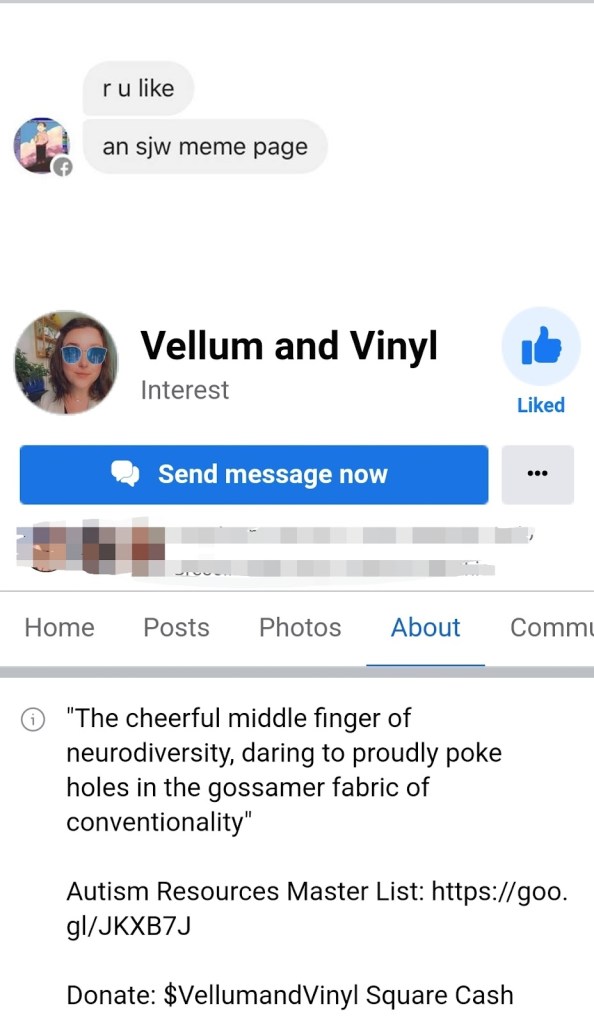
In 2016 or 2017 I reconnected with an old friend from CEGEP on Facebook. This friend regularly shared content about neurodiversity, autism and ADHD because they had just been diagnosed autistic themselves. As I had been diagnosed with ADHD in 2013 and already had an interest in neurodiversity since my first diagnosis, I read a lot of those posts and found them interesting. Then I started following the same neurodiversity and autism pages that those posts were shared from (most notably one page called Vellum and Vinyl).
I spent a few years reading about those topics and joined a few autistic Facebook groups (where self-diagnosis is widely regarded as valid!) and learned how much overlap there is in traits between autism and ADHD. I also had a coach who was autistic as well who I clicked with better than anyone else before, and I found a list of autistic traits in women that I identified with by 90%. So in 2018 I decided I wanted to get an assessment, and fortunately the neuropsychologist who had assessed my friend was local and also familiar with how autism presents in adult women. I was very grateful as professionals who are familiar with how autism presents in adults, and especially in women, are few and far between.
It cost a lot of money (1k+) so I had to wait till I got my income tax return in March of 2019 to be able to call the Montreal Neuropsychology Center and request an appointment with Dr. Tamara Soles. I waited till September and finally saw her, I liked her a lot and the appointment went well and I got my diagnosis verbally on the spot (and in writing later). I cried from relief, knowing that I’m not a broken neurotypical, I’m a perfectly good autistic, and that I have a community of people I can call my own 😃
It took a while for it to sink in, I remember thinking « wow I’m really autistic! ». Many adult discovered autistics grieve about not having known sooner when they received their diagnoses. For whatever reason I didn’t go through that grieving period, I was just like « ok great what now? » The « what now » for me turned out to be being able to be a lot more self-compassionate now that I knew I shouldn’t expect to be able to do things the same way as neurotypicals, or even do the same things at all. It was very validating to know why I had struggled so much in school, that I wasn’t stupid or lazy. The education system and academia in general is not built for neurodivergent minds and is very inaccessible to many of us for that reason.
Knowing my brain was different from those that society had been built around went a long way towards unlearning a lot of the internalized ableism I had. I no longer expected myself to be able to perform to the same level as others or on the same timeline as others. My brain isn’t built for high-stress, fast-paced environments, the exact ones that I had been thrust into my whole life, especially in restaurants where I worked after cooking school. This caused me two burnouts. But now I know it’s not my fault, I was simply in environments that weren’t suited for me. Thankfully I’ve found a wonderful neurodiversity-affirming, trauma-informed support network and neurodivergent community that is helping me find the right environment and resources for me. This has led me to learn a lot over the past 10 years about neurodiversity, the pathology paradigm and trauma healing, all of which I am hoping to write about in future blog posts.
The Times of COVID in Montreal: An ASD Perspective
1 avr. 2022
4 min de lecture
Dernière mise à jour : 10 mars 2024
By Éric Caissie
When I first heard about the corona virus it was in late January 2020. I didn’t think it would become a worldwide health crisis though. Going through all the different opinions and concerns of people online and offline was pretty worrisome and a bit scary. For a person who likes to obey the rules and tries to be part of the solution and not the problem like me, living in downtown Montreal is not that easy.
When people started to react and go crazy with shopping, like pretty much everyone else we jumped on that train and got some reserves in case of emergency. Now I feel I have enough toilet paper to last me forever, I have some in my car, at my parent’s place and in my apartment. Because I live in a 3-1/2, I don’t have that much space and our fridge is like a ¾ size one, so it’s a bit hard to keep frozen and refrigerated foods. But we did it and we stacked up on non-perishable and cleaning supplies.
With the news being not that specific when COVID was beginning to spread, saying wear a mask, don’t wear a mask, businesses are closing, etc. It is hard to have confidence in whoever is giving advice. Like anybody, I have my own belief and opinions, but I think if everyone follows the rules it would go a lot faster.
Self-containment wasn’t that hard as I lost my employment in mid-January and didn’t have to go to work. Although, since so many businesses are closed, trying to network and find a job is pretty hard right now. Especially since I’m trying to pivot my career into something I actually might enjoy. I spend most of my time looking online for opportunities, writing music, updating my website, and taking little courses on Udemy in creative arts and business to help me jump in this new tech world we’re in.
Since I’m very busy with my hobbies and projects, my days fly by. I put in around 12 hours a day without seeing the time pass, then I eat and relax with a tv show. I can repeat this for a long time without feeling the need to go out. I know it’s not the best, but I’m working on it. I wish the gyms were open as I’m in need of some good exercise.
On weekends I like to go to my parent’s place on the south shore. We use their backyard to see them while respecting the mandatory distances. We relax, enjoy the sun and make my dog Joey play and run.
Living downtown Montreal, I see people walking all the time even when COVID was at its worst peak and city-wide restrictions were in place. It made me realise how many people are different from me and really have the need to get out, or maybe some people just don’t care. Parks were full, tickets and fines were handed out to people not obeying the rules. I can understand if someone doesn’t have hobbies or is not taking courses or not working, they can go a bit stir-crazy, I wouldn’t know what to do all day if I didn’t have my projects.
I find that this is a perfect time to put everything on pause and reflect and learn something new, we don’t have that many chances in life to have that much time. Of course, I’m talking as a person who doesn’t have kids, I can’t imagine what someone must go through with kids in an apartment in the city.
Now stores are opening bit by bit and measures are being taken to enforce people’s safety. The lineups in Montreal are getting very long and it’s hard to stay at 2 meters from everyone when there is so much construction. At this time, I think everyone is being careful, but only time can tell what’s going to happen.
With self-confinement, the digital world got bigger, video chat apps such as FaceTime, Skype, Zoom, Google Hangout got a lot of attention and made everyone jump on the tech train and learn a few things at the same time. Some are working from home and are still on top of their game. I think a lot will change after the corona virus is over, the way we live and work.
I go out to parks now, sit on the grass and relax with the fresh air. It’s a nice change since the beginning of social distancing where we were being discouraged to even go to parks.
I feel that people on the spectrum think more about the consequences, it gives us more stress and makes us a bit more careful. I don’t like hospitals; I try to avoid them. In my 38 years, I had one blood test and I was alone with the nurse at a private clinic. I hate needles (even if I have tattoos, it’s not the same thing). It’s the pulling out something from my body that stresses me a lot. So, there’s chances that with Covid I might have to go to a hospital, and this is what I’m trying to avoid. With all the stories out there, some people were very sick, and some were not, it brings out a defence mechanism in me that I’d rather just stay away and be in control of my environment.
I don’t particularly know what’s going on in other people’s head, or what their thoughts are, but sometimes I wish I could just care less and enjoy.
It’s time to start going back out, being inside for a long period of time makes it easier for triggers to appear. Walks, healthy food and exercise is a good way to help stay in control. Step by step everything will get back to normal and “things will get better”.
And losing patience wavers me and calms my angry sigh.
I understand sadness as it permeates my soul!
Taking away my potency and never leaving me whole.
Masking my feelings of worthlessness leaves me alone, full of regret,
Feeding my insecurities, taking time to forget.
‘Twas the ignorance of well-meaning people who started this charade!
That speaking words equals intelligence and fear led their parade.
Autistics who don’t talk have plenty of words to say.
I know as I am nonspeaking and wrote this here today.
Longing to say to hurtful looks, that I am not a freak!
Painful to many of us; forward and bleak.
Look at us, as love leaves lasting memories.
Love creates presence in awesome trajectories.
May people who don’t speak, learn to pursue answers, leaving the toll behind.
Making the leap into kindness, promoting inclusion for humankind.
That includes all of us, you and me.
Making the trip on this loving journey worry free.
The reward is already here, taking fearlessness into our hands.
Preparing for a life worth living; being proud and taking a stand!
Good times are ahead and the world is ready to see,
That nonspeaking autistics, speak their minds differently.
My name is Matthew McGrath and I am a non speaking autistic. I use a letter board to communicate. I am 18 years old and I live in Quebec. Advocating for the rights of non speaking autistics is my main focus. Making a difference in the lives of non speaking autistics leaves me always pushing forward. I am longing to lose the stigma that we are not competent and intelligent people.
Taking Care of My Students, Taking Care of Me: A Teacher in COVID Time
1 avr. 2022
2 min de lecture
A text by Michele Matthews
Autism Advocate, Aunt, Teacher
I was packing my instruments after my last Music Class on March 12 when the secretary came in my room to ask if I had travelled out of the country during March Break. I had, to Punta Cana. It was my first all inclusive vacation ever, but that’s another story! A few minutes later, all school staff were told not to come in the next day. I was kind of excited to get another (what I thought would be) short vacation right after returning from vacation. None of us realized what would come next.
By Monday, everyone but essential workers was in confinement. Everything had changed in a couple of days. It was a bit scary; no one really knew what was happening or what would happen. We thought we would be returning to school by the end of March, but that soon turned into April and then May and we were still at home.
Now things were getting a little stressful. As someone who has difficulty with anxiety and depression, I knew I needed a schedule and routine otherwise things might get hard for me. I live alone, so I had no one to take care of. All my students whom I normally support all day were no longer around. I made more of an effort to take care of me. I went on walks a couple of times a day. It was a great way to get fresh air, exercise, listen to music and build that regular routine that was so necessary. I read a lot more, cleaned a lot more and cooked a lot more. Things were good.
When remote learning began, it was a new stressor. It was great to connect with the students again through Zoom and FaceTime, but once I connected with them, I also connected with their families. I heard from parents who were struggling with having their autistic child home all the time. Some children didn’t understand and were extremely anxious that their routines had been disrupted. Some parents were overwhelmed with their special needs child and their other children at home trying to home school them and take care of them all at the same time. They had no reprieve. I started to feel their stress and wanted to take care of my students. I wanted to be safe and take care of me as well. Very slowly, I decided I needed to make my bubble a tiny bit bigger. In order to take care of me, I realized I had to take care of my students and their families. It was all intertwined.
It’s almost August and there are still many unknowns with regard to ‘Back To School’ in September. Whatever happens, I know I will be here to support my students and their families, because ultimately, that’s the way I take care of me. We will stay safe and healthy, and we’ll all take care of each other. It’s all going to be alright.
Back To School Goals: Autonomy and Self-Determination
1 avr. 2022
2 min de lecture
A blog by Michele Matthews
Autism advocate, aunt, teacher
We are going into our fourth week back to school after a six month shutdown. None of us really knew what to expect as students came back to the classroom. I am so very proud of my students. They have been able to adapt, be flexible and learn a whole new set of daily objectives.
As a Special Education teacher, one of my main goals is to promote autonomy and self-determination in my students. This was not always the case. When I was a new teacher starting out, I believed that I knew what was best for my students and their choices came second to that. Along with experience, education (and age!) have come new perspectives in teaching students with autism and other special needs and THEIR choices make up a big part of our day.
Autonomy looks different in everyone and in my classroom it takes many shapes and forms. From Daniel using real scissors, not adapted ones anymore, to Jake looking at a visual and following through with a direction on his own, to Abyaz knowing he needs an activity that will be calming for him, to Jayden saying “I don’t want to walk!!”, my students are increasing their autonomy and self-determination. They are becoming more independent throughout the day and it is our responsibility as educators and parents to encourage and reinforce that whenever we see it.
Various internet sources estimate that adults make 35,000 choices/decisions in a day. Wow. How many opportunities for this do we give our students? Something to think about. During the shutdown, many parents shared that it was so difficult to have their special needs child home all day, every day. Teaching, encouraging and supporting autonomy in every aspect of a child’s life can hopefully lead to adults who are able to be contributing members of their homes and communities. My students smile and are happy when they can make choices for themselves. That’s self-determination. I am sure they are proud when they accomplish things. None of them can completely tell me, but I see it on their faces. I hope they can see it on mine.
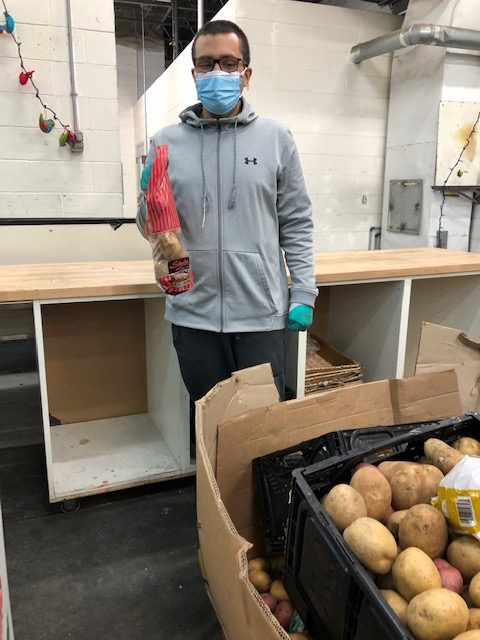
Neurodiverse adults are available and want to do meaningful work. With support, some will be very successful. Jonah is one of these people. At 22 years old, Jonah who is autistic, has been doing volunteer work at a local food bank since January. I accompany Jonah, and with minimal supervision and direction from me, he has become very dependable, very productive, and much liked among his co-workers.
Jonah who is verbal but experiences some challenges with communication, completed the following to explain things about his work:
When I’m working at the food bank, “I feel happy.” My favourite job is “packaging potatoes.” “I work from 9:30-12:30 and take a 15 minute break at 11:00.” I set a “timer” so that I’m not “late to start working.”
Jonah continues to express himself by circling the following points on a piece of paper:
“I do a good job!”
“I remember what I have to do”
“I like going to work”
“Working makes me happy”
As the number of neurodiverse individuals reaching adulthood increases steadily, it is crucial that more opportunities for building autonomy through meaningful work experiences are available for them. It is beneficial for the entire community when everyone has equal access to opportunity.
With the right fit, individuals are able to contribute in positive ways, and with opportunity comes the chance for increased autonomy in life. This is true for all of us and is no different for the neurodiverse.
Having a work place where he is accepted and needed has given Jonah more confidence. He is happy when working and proud of his accomplishments. He says he is not nervous. When asked for final thoughts from Jonah, he gets very excited, jumping up and down saying “I do so good!”
Jonah Languay is 22 years old, funny, hard working, a fast learner, loves videos and texting, and is autistic. He is a regular participant in Autism House activities.
Michele Matthews is a teacher and has been working in Special Education for 35 years. She is a board member and volunteer at Autism House and she is Jonah’s aunt.
This past year has not been easy for anyone, especially for someone like me who is living with autism spectrum disorder (ASD). My name is Christian Malatesta, I am 25 years old, I have cerebral palsy, and was diagnosed with ASD at the age of five. Why was 2020 extremely difficult? The lack of social gatherings has posed a major challenge for many, nonetheless, having to social distance has taught me a lot about myself and my disability.
Challenges of COVID and Mental Health
There is a common belief that people with ASD are not social, however this is not the case. Many of us enjoy being around others and this year has been especially challenging because of the lack or limited social interaction available. Not everyone with ASD enjoys spending hours alone or on electronics. Being social means having support systems like your friends and family. With a smaller network of those with whom we can interact, being unable to attend school and with uprooted routines and structure to our days, our mental health is at an increased risk. In addition, the supports that are available are limited and the lack of face-face connection can increase our stress levels.
Supporting your Mental Health
There are many things that can be done to support your mental health during these unprecedented times. Adapting is not always easy, but it is necessary. I found out the hard way! I have been able to accept the fact that my social interactions need to look a little different. By seeing the friends that I can (e.g., wearing masks, driveway visits, etc.), and using safe platforms for social purposes (e.g., Autism Support Groups). A key to one’s healthy mindset includes being aware of traps that tend to draw you inward and keep you from doing all the things that are supportive to your mental health. Working out, meditating, reading, checking-in with professionals, focusing on hobbies, and my spirituality are ways that I have been able to reduce my stress levels and stay positive.
Learning to deal with the cards you are dealt
While learning to accept a disability can take years, 2020 and COVID catapulted me to face many realities. I may not always view the world with the same lens as others, however, being in the same storm as everyone else teaches you to accept everyone (including yourself) for what you are experiencing. I am getting better at learning to be patient and accepting of myself. You cannot accept others until you learn to accept yourself.
Final Thoughts
I wish for everyone to learn how to accept themselves as they are with all their beautiful flaws and not see them as weaknesses. Look inward, accept the challenges instead of fighting against them, and learn to rise above. Shifting your mindset from a negative one to a positive one is key.
Without COVID, I would not have had the time to do self-reflection and learn more about what my disability means to me. I know I still have many goals to reach, but I am confident that I will get there on my own time.
Me Struggles of Growing Up Without My ASD Diagnosis (Part 2)
1 avr. 2022
2 min de lecture
I started to go to the library to rent all kinds of books, it was quiet, and I was surrounded by knowledge, I loved it. Unfortunately, I had a lot of trouble reading them as I suffer from dyslexia. I would have less trouble with physics and mathematics, but I kept trying anyways. It was the only way to learn what I found interesting and get answers. The bad part of learning a lot by yourself at a young age is not knowing where to start and how to continue. I found myself always going back and forward all the time, not knowing I needed prior knowledge to fully understand what I was learning. Changing fields constantly, but always coming back to each of them, as curiosity would overwhelm me. On the bright side, every new little thing I learned got to be processed with all I already knew, and the new connections and discoveries I made were very rewarding. Looking back, I wish I took my time or took lessons to learn one thing very well. I could have taken the discipline and know-how and reproduce it on other things I wanted to learn.
I think imagination and creativity is a big part of being on the spectrum. I found my way mostly through playing musical instruments and drawing. Music would put my mind and mood at ease, and drawing would make my mind chase away the traffic so I could focus on what I was doing. Being stuck in your own mind is no gift when growing up, the feeling of being an imposter and not understanding people is not pleasant. Luckily, now there is more awareness and help out there for young people with ASD.
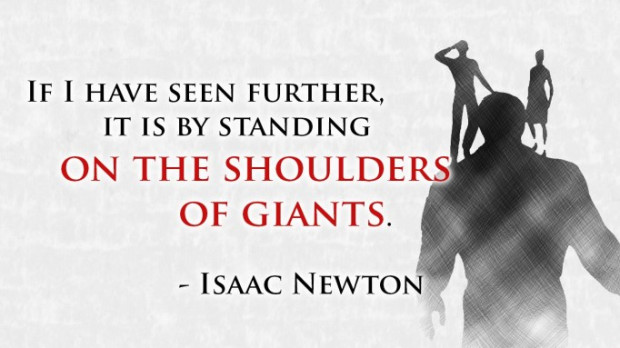
Everyone deserves a chance to unleash their full potential and contribute to the world. My favorite metaphor “standing on the shoulders of giants” is exactly how I felt and will always see the world. It has always motivated me to take part and go out of my comfort zone to learn more and do more. Hopefully, now I can help others do so as well.
Me: Struggles of Growing Up Without My ASD diagnosis (Part 1)
1 avr. 2022
3 min de lecture
When I was a kid, I didn’t really fit in with others, the way they acted, the excitement they had, the way they interacted with each other. I’ve always been more of an observer and didn’t act like everyone else. I remember watching my friends playing around and asking myself in my head ‘’why do they look so happy, why are they having fun, I don’t get it’’. Questioning yourself at a very young age increases your self-awareness. You start questioning everything in your head thinking, is everyone questioning and talking to themselves in their heads also? If so, is what I’m seeing the reality or a big act.
I was a very curious kid with a lot of questions. I was fascinated about everything and wanted to know how everything worked: why is the sky blue, why are there 365 days in a year, what is this whole evolution thing etc. Sadly, nobody could give me the answers, or more in-depth answers, that I needed. There was no internet at that time, so information was limited. The excitement that other people had for playing around, I think I had that excitement, but for knowledge. Now with the internet, getting answers is much easier.
Growing up I was not the best communicator. The information moved fast in my head, but could only go out at one speed. I didn’t think about how others were processing what I was saying or if my messages were getting through to them. Explaining myself and telling stories was the hardest, I never knew where to start and finish. I would start in the middle of a story and mix the end and beginning, adding little bits here and there probably making no sense to others, but it was clear in my head. Now I have learned to keep it more simple and structured however, it’s still easy to get overwhelmed and go on and on. After so many misinterpretations with others in the past, now I try to make sure everybody understands me.
The conversations I had with people around me were not that stimulating. I needed to talk and learn about science, history, art, and how everything works. While I was fascinated by so much, not seeing others being that passionate about wanting to know everything about everything was confusing to me. I went on trying to fit in when I could, but mostly I would observe.
I spent most of my time alone, I didn’t get invited to all the events and birthdays. I guess I wasn’t that exciting to be around although, I wasn’t very proactive in reaching out as well. Being alone made me spend a lot of time in my own little world: fantasizing and creating stories or scenarios in my head. I started creating characters in my mind so I could have conversations and debates that would stimulate me. If I needed a professor, a physicist or an action hero, I would create who ever I needed, and I would either participate or be an observer in my stories. Most often, I imagined conversations and debates to gain different points of view on anything and everything. From talking one on one to having a whole group talking about all kinds of subjects, this made me realize and discover new little things, different ways of seeing the world, also sharpening my imagination and creative side. Of course, all limited to what I knew at the time, but this process helped me a lot in transferring theory into practice.
Everyone knows exercise is important, but what does that really mean for a person on the spectrum? In general, I’m not a big sports person, playing or watching. However, I played more sports when I was younger, because of school activities and my parents enrolled me in the classics such as soccer and baseball. I am really not a competitive person, so when I play sports I don’t have that drive of wanting to win. I didn’t like the pressure of performing or being the reason that other people would be disappointed or happy. Having control of your own environment while only you are affected by your performance is much better for me being on the spectrum, so I like to exercise while having fun for myself. Like when I play tennis, I prefer to just make exchanges than play an actual game. An actual game keeps stopping all the time instead playing for fun which keeps going and going. I get a better workout out of it.
I love taking walks, I used to take walks and listen to music for around two hours every day when I was a teen up to adulthood. Sometimes during the day and sometimes after the sunset so there were less people in the streets. It helped me deal with my day to day struggles as I would daydream and reflect on my life with better focus during these walks.
Later I alternated between walks and jogging, instead of a two hour walk it would be an hour jog. Cardio helps me with stress, anxiety, sleep, alertness, and awareness. I see these benefits a lot more now than as a teen and young adult as your body needs a bit more maintenance and it gets more complicated to balance a personal and professional life.
With a busy work life and life goals, the easiest way is to go to the gym before or right after work. I always worked far from my home so I could never go by bike or walk. On and off I would have gym equipment in my home, but I never did full, rewarding workouts at home. I knew it would be good for me to go out and see other people as well. It’s so easy to restrain yourself when its your personal life, you can do whatever you want, and NOT do whatever you want, unlike work life where you have objectives to achieve in a certain time frame giving you more clarity of purpose.
Finding a gym was a whole other quest. Already being uncomfortable in crowded places, I had to find something that could suit me and be comfortable with the look, sounds, lighting, and smells. I wanted to do more than cardio, I wanted to do weights also to have a better posture and see the way it felt. First off, it had to have parking, my first gyms I lived in the suburbs where there’s parking everywhere so that was good. Secondly, they had to have a lot of machines so I wouldn’t have to wait not knowing what to do while waiting for equipment or a bench. Lastly it had to be clean and with people respecting the rules.
Having a few friends that workout a lot and putting some time into research on training, I managed to learn a few routines that I would stick too. Also, after getting used to the gym, like when I have to wait for a specific bench or equipment, it was very important to give myself options on what to do to continue my routine with different exercises that give the same outcome. Going to the gym is a really good habit and routine to have and very challenging to keep up, but the more you go, the more you’ll go. It becomes much easier when you see your first results.
Now living in downtown Montreal, the streets are more crowded, no gym parking spaces, and usually smaller spaces and the fees are higher. Yay!… I live close to Mont Royal so taking walks there, when I can, is very nice. For gyms, finding the time when it’s not “rush hour” and an easy way to access without taking the metro or too much time is a challenge. The very nice ones are way too expensive. Once we are done with our COVID-19 social distancing, I will be trying the local YMCA which seems very promising.
To conclude, exercise should be on everyone’s to do list as it makes you feel good and there are so many benefits. It takes time but it’s worth it. It is really worth it when you know what you’re doing, and your workout is made for you and your goals. Otherwise you might never have the results you want. So basically, what I am saying, is give the gym a chance, but be prepared. When done right, physical exercise always helps managing physical and mental health. Other sports I have tried that work well for me are mountain biking, indoor rock climbing, badminton, and golf. On the spectrum, you need to try a lot of different exercise options before knowing what will stick!
As a teen and a young adult, I had much more freedom, I could pretty much go wherever I wanted to and explore and wander around having more autonomy. I was often very uncomfortable in most situations outside my home, usually in situations where there were a lot of people or where the attention was on me. So, I didn’t wander and explore that much, instead I would keep to myself, learning or daydreaming. I was a very isolated person for a long time. Yay me! More time at the library!
I knew there was something different about me, I just didn’t know what. I wanted to fit in so I pushed myself as much as I could to spend time with my friends and tried to be involved in some activities. That worked until people started getting interested in me romantically. Then I didn’t want to know anything about the women approaching me, because it was going to change my routines.
I didn’t really understand people: what caused them to be in a certain state or have a certain emotion while interacting with each other. For me it was more like looking through a television screen or a video game. I knew the reality was in front of me but there was always a feeling that my full consciousness was not completely there. I was always processing thoughts and questions while observing. I observed their behavior and their interactions so I could mimic them when I had to fit in more, but in my mind, I was very different. Everything was such a struggle and uncomfortable.
Music and television had a big impact on helping me go out and confront different challenges. Music would help me with moods and TV would help me understand interactions and scenarios between people. Some TV shows could give me a boost to challenge myself by absorbing a character’s personality. I would try to have that character’s mindset to face and overcome some uncomfortable situation or be more open and talk to others and be funny. Thank you, Van Wilder and Dick Solomon, for teaching me how to be cool and funny.
Sometimes, it’s also the music from movies that help me have the right mindset to face situations. Punk rock pumps me up and gets me ready to be active. 80’s slow rock songs help me think. I was raised on country, it helps me feel in the zone when I am driving around on a sunny day when everything is cool.
The entertainment industry is a very powerful tool to help with understanding interactions, helping to have that extra push to try to explore new things. It motivated me to have a better quality of life. It was my own way of self-regulating by mimicking film and music. Every person on the spectrum needs to develop tools to self-regulate, and there are several available like mimicking, but also techniques like The Zones of Regulation, Brain Gym, as well as breathing and meditation techniques. There are always more to learn, and you never know when it will be helpful. It’s great to work with the Autism House as I am often learning new techniques I didn’t know about before!
Le masque est pour beaucoup un élément handicapant de l’expérience interactionnelle optimale. Cacher le visage de moitié enlève des possibilités de se faire comprendre ou de lire les émotions et les subtilités langagières inhérentes à notre culture et à notre espèce sociale.
Et pas n’importe quelle moitié! En effet, cette moitié que l’on cache est d’autant plus importante pour nous, êtres occidentaux hypermodernes, ayant appris que sourire est un des mouvements du faciès le plus porteur de sens. D’ailleurs, d’autres cultures, habituées aux masques, mais aussi à une certaine retenue au niveau des expressions faciales, ne vont pas ressentir ce bout de tissu aussi lourdement que d’autres.
Lorsque l’on ne sourit pas, nos joues ne remontent pas, nos yeux ne plissent pas et ceux qui ont des fossettes, ne creusent pas. Tout est relié dans le corps humain. Dès que l’on cache une partie communicatrice, le message s’en trouve distorsionné. C’est une nouvelle lecture qui doit être apprise. Sans le grand S, nous devenons analphabètes de cette calligraphie émotionnelle. C’est dire comment il parle et que sans lui, la neutralité enclenche une certaine déroute.
Avec le masque, tout semble neutre. En ayant mis tout un pan d’émotions positives dans le sourire et d’émotions négatives dans le non-sourire, le neutre s’en trouve altéré. Finalement, lorsque l’on est neutre, nous prenons en fait, inévitablement parti.
Il est maintenant acceptable, d’exagérer certaines expressions sous le masque et d’utiliser son corps pour bien communiquer, ou du moins s’assurer que la lecture de son message est juste et comprise de son interlocuteur. En empruntant une forme de danse théâtrale presque burlesque, on arrive à faire comprendre davantage nos intentions. Une manière de compenser les dents cachées et la moue étirée par une sorte de ¨commedia dell’arte¨ convenue.
Comprendre et se faire comprendre sont les bases de la communication mais ce que l’on oublie souvent, c’est que ce n’est pas donné à tout le monde. Les personnes neuro-atypiques avaient déjà ces défis avant le masque, avant la pandémie, avant que l’anxiété soit généralisée. Les malentendus quotidiens sont maintenant amplifiés par une donnée essentielle manquante à la compréhension des émotions de l’autre.
Par ailleurs, existe-t-il des aspects positifs du port du masque au-delà de la santé publique pour les personnes autistes? Qu’en est-il lorsque l’action de sourire est mécanique? Et si, la contraction des muscles zygomatiques était surestimée pour comprendre l’état d’esprit de l’autre?
Pour ma part, le masque me donne la possibilité de ne plus ressentir la pression de ce comportement social. Je n’ai plus à gérer mon visage en public pour la première fois de ma vie. Porter le masque protège de la propagation du virus, mais également de la fatigue et de l’anxiété inscrite dans mon camouflage social. Celui qui me permet de me faire accepter des autres, mais aussi celui que j’ai appris, intégré, analysé et finalement, compris. Au début, je ne me rendais pas compte que je n’avais plus à me modeler, mais je vois bien que la manière d’emprunter la porte extérieure n’est plus la même.
La seule différence est ce masque qui enlève le mien.
Je suis consciente que ce n’est que temporaire et que je ne vis pas dans une autre culture que celle-ci. Ceci dit, cette réalisation me permet de me projeter dans un avenir où je connais maintenant le sentiment d’être moi en environnement inconnu. Je sais ce que les autres ressentent quand ils se sentent eux-mêmes et ce, sans réfléchir et sans imiter. Bien sûr, je l’ai ressenti avant aussi. Avec mes proches. Dans des ¨safe space¨ également. Ce qui est différent maintenant, c’est que je peux le vivre sans avoir le sentiment d’être acceptée, sans savoir s’il y a une ouverture d’esprit et sans même me préoccupée d’être comprise en tant que personne Asperger. C’est comme être dans l’égalité des chances vers l’émancipation de soi. Le masque a libéré une idée, un sentiment de sécurité, une appartenance au monde autour de moi.
Il est vrai que l’on porte tous en nous un masque selon les lieux, les personnes et les évènements de notre vie. Or, un diagnostic tardif me confirme que j’en ai porté un en métal très longtemps, alors que j’aurais apprécié un doux coton. C’est le monde à l’envers lorsque l’on constate que la pandémie nous rapproche de la société.
La vie reviendra à la normale éventuellement. Les constructions sociales reprendront leurs forces centrifuges. La sur-responsabilisation individuelle à l’américaine du destin de chacun se synchronisera avec nos biais. Seulement, je crois qu’il faudra un jour se positionner sur l’acceptation des cerveaux atypiques en créant une inclusion de la différence dans toutes les sphères sociales. Un jour, l’émancipation de tous sera vue comme nécessaire pour combattre la virulence de l’exclusion. Alors, peut-être qu’être normal, voudra enfin dire, être soi. Peu importe ce soi.
Si le masque peut peser maintenant, il serait intéressant de réfléchir à ceux et celles qui doivent en porter depuis toujours pour protéger les autres de l’inconfort. Nous ne communiquons pas tous de la même façon et il est possible que se comprendre prenne véritablement forme à moitié-chemin.
Avoir un TSA et faire face à la maladie d’un proche
3 août 2020
4 min de lecture
Un blogue par Kenza Deschenes-Kherchi
Le 28 novembre 2019 semble une journée normale pour vous. Pour moi c’est une date qui a chamboulée ma vie. J’ai appris que mon arrière-arrière cousine que j’aime beaucoup est atteinte d’un cancer du sein de stade 3.
J’ai appris cette nouvelle vers 22:30. Sa nièce a partagé cette nouvelle sur Facebook le 12 novembre . « J’ai appris ce matin que ma tante est atteint d’un cancer stade 3. La guérison n’est pas une option, mais il peut y avoir un miracle . Elle se fera opérer bientôt pour retirer cette grosse bosse et pour savoir à quel point ce cancer est agressif dans son corps . Elle n’a pas de famille à part mon père et moi. Je ne sais pas quoi faire pour l’aider.’’
Quand j’ai vue cela, je me suis sentie très anxieuse et j’ai eu de la difficulté à dormir. Je pensais aux souvenirs vécus avec elle lors des 2 dernières années. J’étais tellement anxieuse au point de me rendre malade. J’étais sous le choc et dans le déni total. Je me sentais tourmentée et déprimée. J’avais tellement peur que le pire arrive. Malheureusement mes comportements obsessions sont revenus. Ce n’était pas un bon temps pour apprendre cette triste nouvelle surtout avant le temps des fêtes. Heureusement qu’aux fêtes nous avons eu la chance de se voir. J’étais vraiment rassurée de voir qu’elle était bien vivante .
Les montagnes que nous avons traversées ensemble
Elle a commencé ses traitements de chimiothérapie le 11 décembre 2019. Au début ses traitements allaient bien. Malheureusement à son 3e traitement le 22 janvier, il y a eu beaucoup de ravage (perte d’appétit, faiblesse). En fin janvier, elle a eu une hospitalisation aux soins intensifs pendant 5 jours. Heureusement que sa meilleure amie que je connais est ouverte à la différence et m’a rassurée en me donnant des nouvelles à tous les jours.
La goutte qui a fait déborder le vase
Mercredi le 12 février, je reçois de la part d’un de mes arrière cousins des nouvelles en lien avec l’état de santé de ma cousine. J’apprends qu’elle a fait une embolie pulmonaire avec fibrillation cardiaque. Elle doit arrêter tout traitements de chimiothérapie, car son corps est trop faible. Lorsque j’ai appris cette nouvelle l’anxiété est montée dans les tapis et je deviens malade physiquement (vomissements, mon cœur bat trop vite). J’ai peur qu’il n’y a rien à faire et qu’elle aille en soins palliatifs. Je fais de plus en plus d’insomnie et les comportements obsessifs sont de plus en plus présents au travail, ce qui me nuit. Nous avons gardé contact. On se parle aux 3 jours. Ça me rassure de lui parler et qu’elle est toujours vivante.
Ma cousine prends du mieux
En début mars , elle a commencé à prendre du mieux. Elle a retrouvé la force et l’appétit. Je me sens rassurée de voir qu’elle va mieux. Elle a eu sa chirurgie le 27 mars. Sa chirurgie a été réussie.
Covid 19
Pendant cette période de confinement nous avons gardées le contact aux 3 jours. On a toujours de belles discussions. Ça me rassure quand je lui parle. Cette période m’a également permis de me reposer de cette épreuve et des blues de l’hiver. Il faut dire que j’étais vraiment fatiguée.
Malheureusement elle a dû retourner à l’hôpital en début mai pour 4 jours. Cela m’a tellement angoissé . J’ai eu l’anxiété dans les tapis pendant un bon 27 heures, m’empêchant de dormir durant toute cette période. Ce n’était vraiment pas drôle . Surtout ne pas dormir de la nuit et se faire dire que je ne me soucis pas de ma propre famille, car je pleure depuis 5 mois pour cette cousine qui vit à 500 km de chez moi au lieu de passer du temps avec ceux plus proche de moi. C’est un commentaire dénigrant qui a fait mal, surtout que l’on reproche souvent à tort les personnes TSA de ne pas s’occuper de leur famille. Heureusement qu’une amie qui connais ma cousine m’a donné le numéro de chambre à l’hôpital de Jonquière. J’ai pu lui parler. Je me suis senti rassurée de savoir quelle prend du mieux.
En juin, elle a suivi des traitements de radiothérapie pendant 3 semaines. Ses traitements ont bien été malgré les brûlures. Je suis positive qu’elle va guérir et qu’elle aura des bons résultats
Cette épreuve tire à sa fin ou presque après 7 mois. Cette épreuve m’a fait grandir et prendre de la maturité. En plus, pendant cette période de Covid 19, j’ai vécue beaucoup d’émotions (nuits blanches et inquiétudes). Je peux dire que ma précieuse cousine a passé à travers cette épreuve avec courage. On a traversées cette épreuve à distance. Je vis à St- Lambert et elle vit à Shipshaw au Saguenay. Elle est restée forte comme une lionne et elle n’a pas abandonnée. Elle a réussit à passer à travers les moments les plus difficiles. J’ai bien hâte d’ENFIN la revoir et la serrer dans mes bras.
Quoi faire lorsqu’une personne TSA à un proche atteint d’une maladie serieuse:
– Prendre un temps pour l’écouter;
– Utiliser les stratégies d’auto régulation ( les zones de régulation );
– S’informer du proche;
– Lui donner son espace au besoin.
A éviter de dire:
– Tourne la page;
– Tu dois passer à travers;
– L’interdire d’en parler ;
– Elle va probablement partir ;
– Tu vas devoir faire un deuil ;
– Tu ne t’occupes pas de ta propre famille . Tu t’inquiètes pour une étrangère que tu connais à peine.
Les outils et l’aide reçue
J’ai eu la chance d’avoir eu des séance d’art thérapie pour apprendre à gérer mes émotions. J’ai également suivi des webinaires avec Rosemary, l’ergothérapeute et directrice à la Maison de l’autisme, sur l’auto régulation . Cela m’a permis de savoir où mes émotions sont situées sur le thermomètre à travers le programme des Zones de régulations®. J’avais également une amie de confiance qui a été avec moi depuis le début de cet épreuve. Elle m’a encouragée à passer à travers.
J’espère que mon témoignage vous aidera à comprendre la situation si jamais vous avez un proche sur le spectre de l’autisme qui vit à travers la maladie d’un proche!